


Architect Domains
Grasp the Core: Gain a deep understanding of the Force.com PaaS architecture and its role in enabling the Salesforce SaaS model.
Unpack Lightning: Deconstruct Salesforce Lightning’s microservices architecture, learning how its scalable components, pages, and apps work together.
Strategic Feature Selection: Develop the expertise to choose the optimal Salesforce standard features, weighing the considerations, limitations, and trade-offs of declarative vs. programmatic configurations.
Leverage AppExchange: Explore the AppExchange marketplace to effectively evaluate and integrate third-party microservices components and applications.
Design Paradigm Mastery: Master the decision-making process between declarative and programmatic design on the Salesforce platform, understanding their respective considerations, limitations, and trade-offs.
Navigating Large Data: Understand the architectural implications and specific considerations of handling Large Data Volumes (LDVs) on the Salesforce platform.
Designing Intelligent Objects: Delve into Salesforce’s object-oriented data modeling to build well-structured and performant object models that meet business requirements.
Strategic Data Movement: Acquire the knowledge to plan and execute successful data migrations, encompassing strategic considerations, potential pitfalls, and the selection of appropriate tools.
Demystifying Data Access: Gain a comprehensive understanding of Salesforce’s “Who Sees What and How” framework for data visibility.
Building Secure Solutions: Learn to architect solutions by effectively utilizing the full spectrum of Salesforce platform security mechanisms.
Community Security Design: Develop expertise in designing secure Salesforce community portal architectures, accommodating both internal and external user access.
Declarative Security Mastery: Pinpoint and apply declarative platform security features to precisely meet granular record-level security requirements.
Programmatic Security Expertise: Identify and implement programmatic platform security features for advanced and custom security needs.
Integrating Security: Describe the effective incorporation of all platform security features into a cohesive and secure solution.
Strategic Integration Planning: Understand and evaluate optimal integration strategies for diverse environments, including cloud-to-cloud, cloud-to-on-premise, and multi-Salesforce org setups.
Technology Selection Mastery: Discern when to deploy Canvas apps, Heroku integrations, Salesforce Connect, or middleware solutions like MuleSoft for specific integration needs.
Pattern-Driven Architecture: Comprehend various integration patterns and articulate their strategic justification within a comprehensive integration architecture.
Expert Recommendation: Develop the ability to recommend and rationalize the most fitting integration strategy and patterns for any given scenario.
Platform-Specific Expertise: Provide expert recommendations for appropriate platform-specific integration technologies.
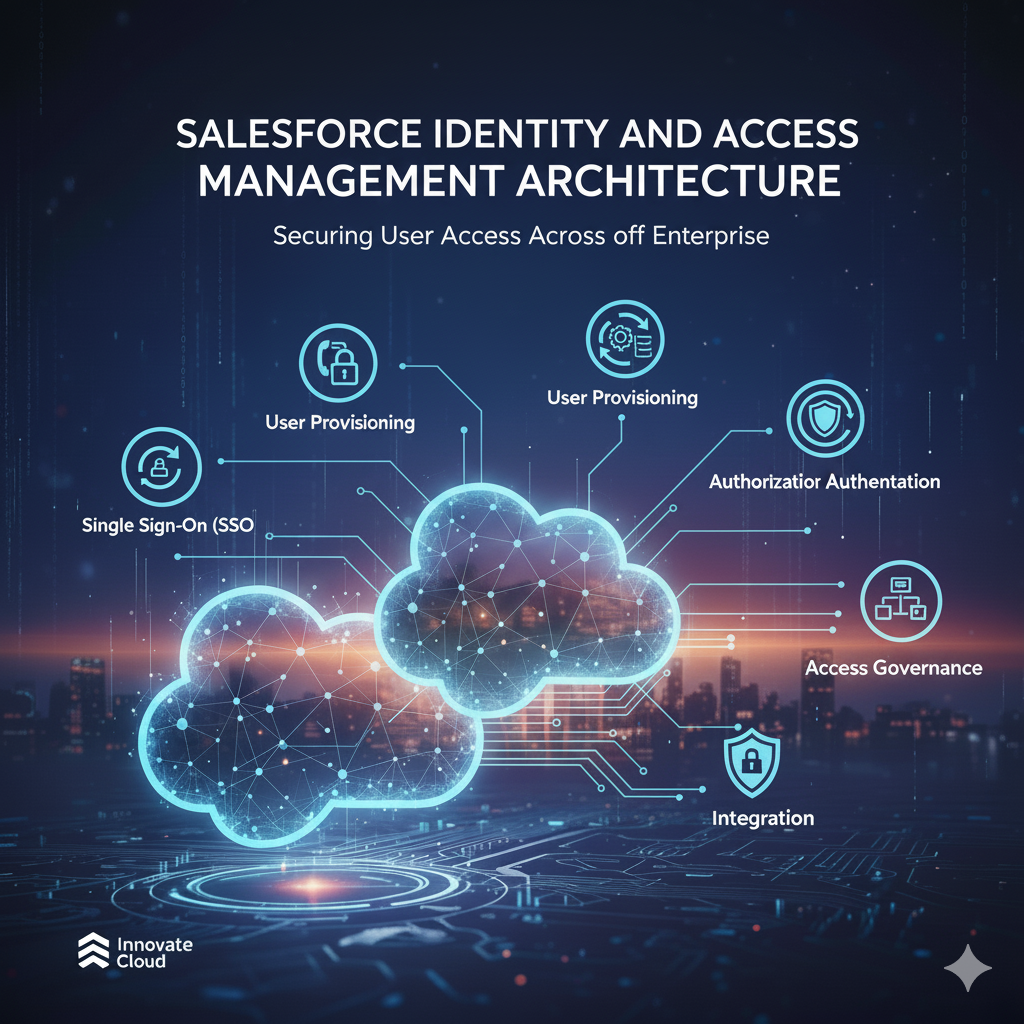
SSO Protocol Expertise: Gain a deep understanding of the differences and use cases for Identity Provider (IDP)-initiated vs. Service Provider (SP)-initiated SSO protocols.
Declarative SSO: Learn to leverage Salesforce’s out-of-the-box declarative features for easy single sign-on configuration.
API & App Integration: Comprehend the capabilities of integrated apps and how to use ODATA for data integration.
External Application Strategy: Evaluate the strategic benefits, considerations, and trade-offs when incorporating external applications into the Salesforce ecosystem.
Identity Solution Comparison: Understand the considerations, trade-offs, and benefits of using dedicated middleware solutions versus native Salesforce Identity for managing access.
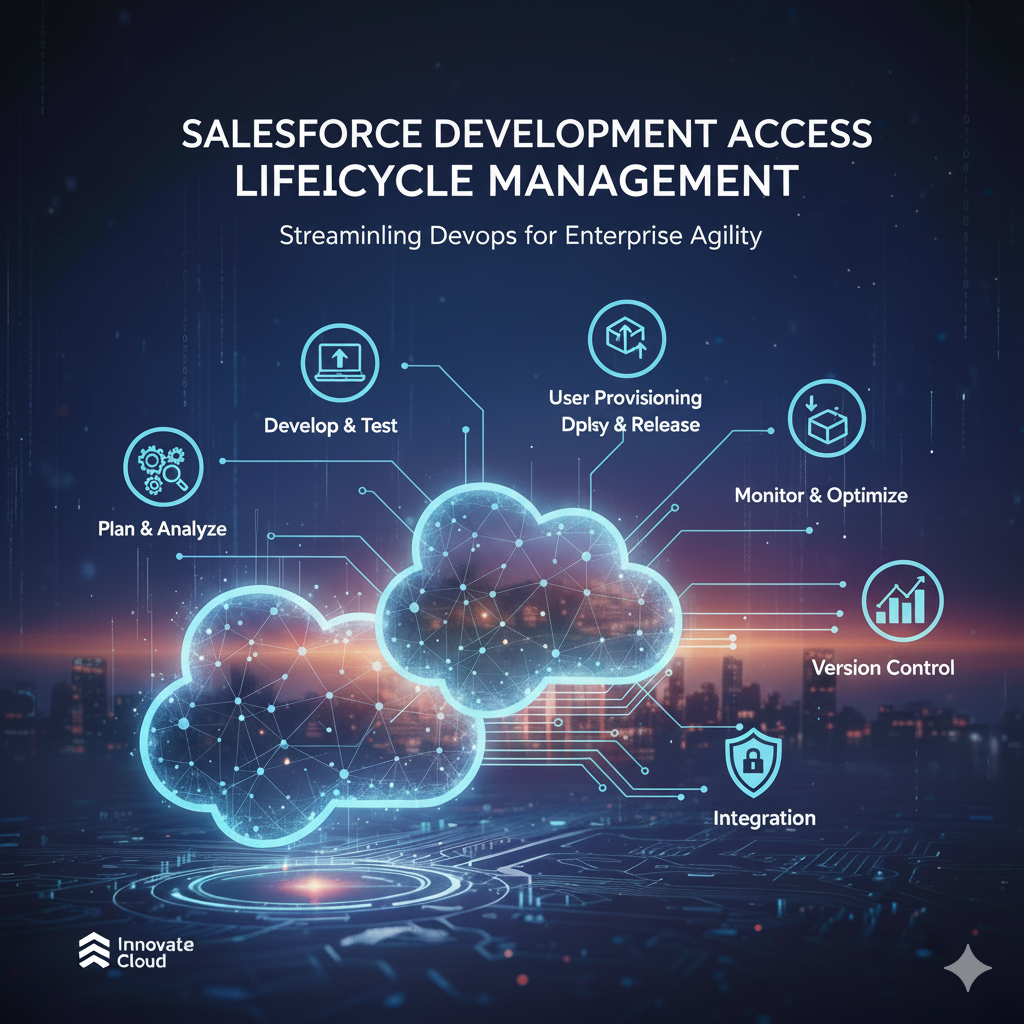
SDLC Mastery: Gain a deep understanding of the Salesforce Development Lifecycle Methodology (SDLM).
Risk & Dependency Management: Learn to proactively assess and mitigate potential risks and project dependencies.
Stakeholder Alignment: Understand the critical roles and responsibilities of key stakeholders essential for any Salesforce project’s success.
Building a Foundation: Grasp the best practices for creating a Salesforce Center of Excellence and a robust Governance Model.
Quality Assurance: Identify and implement an effective test strategy and user acceptance strategy to ensure high-quality deployments.
Tooling for Success: Learn to evaluate and choose the most suitable tools for managing Salesforce projects, requirements, testing, and releases.
Modern Release Management: Understand the benefits and best practices of leveraging source control and continuous integration for streamlined Salesforce release management.